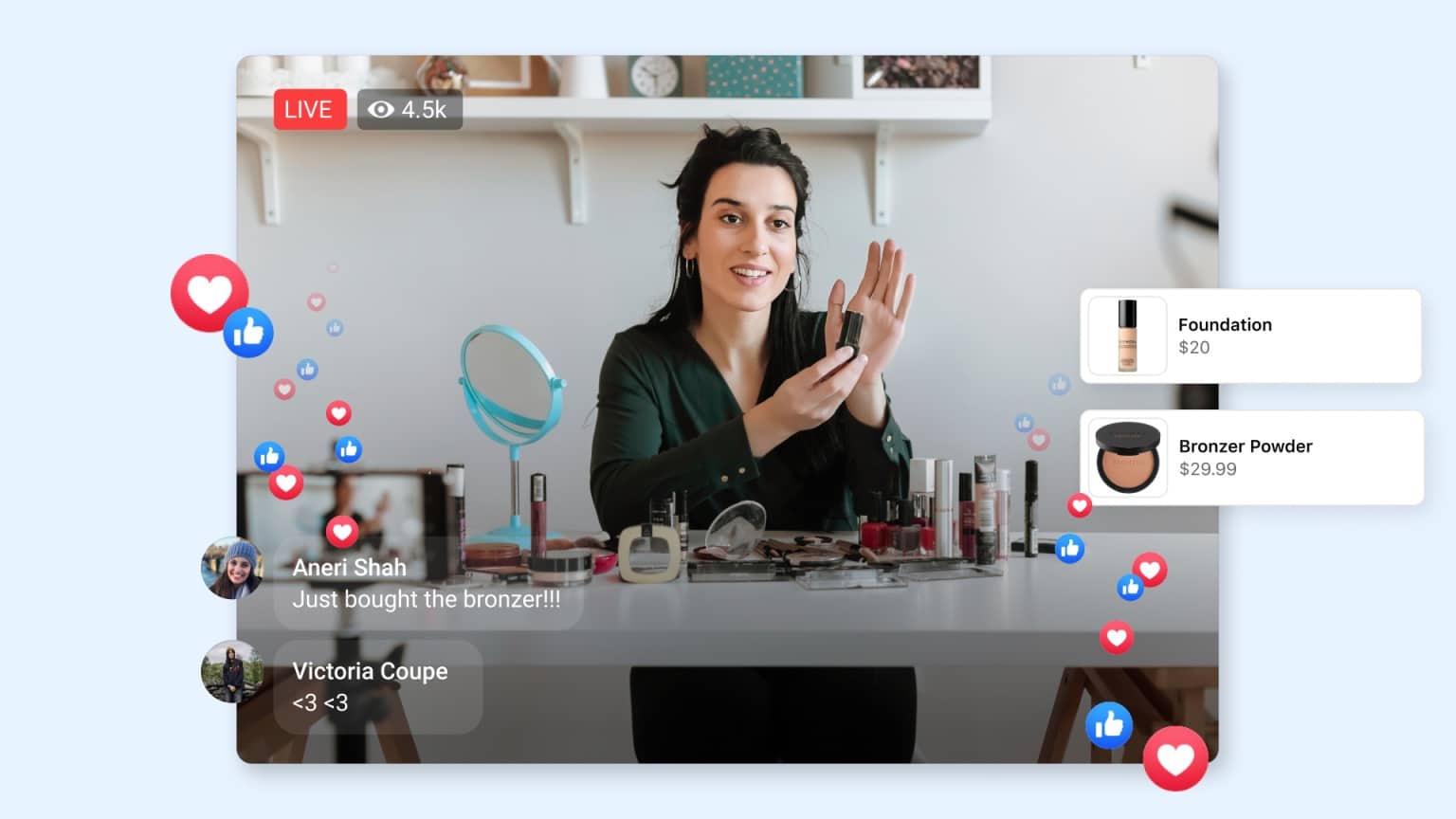
A step-by-step blueprint for planning and running a 3-day live challenge that gives people a real result, builds trust through teaching, and naturally leads to your offer, without ad spend and without a complicated funnel.
Ads feel like throwing money at a wall. "Post more" isn't a strategy. A webinar feels like a one-shot performance you're not ready to give.
You have a product. You know it can help people. You just don't know how to get your first customers to it.
There's a simpler path than any of that: the 3-day live challenge.
Day 1 to 3, you teach and they get a small win each day. On day 3, you make your offer. By then, you're not asking people to take your word for it. They've spent three days watching you teach and getting results from it.
That's the model. Here's what it turns into:
Idea → promise → 3-day plan → promotion → offer → scheduled event.
That's the whole arc this course walks you through.
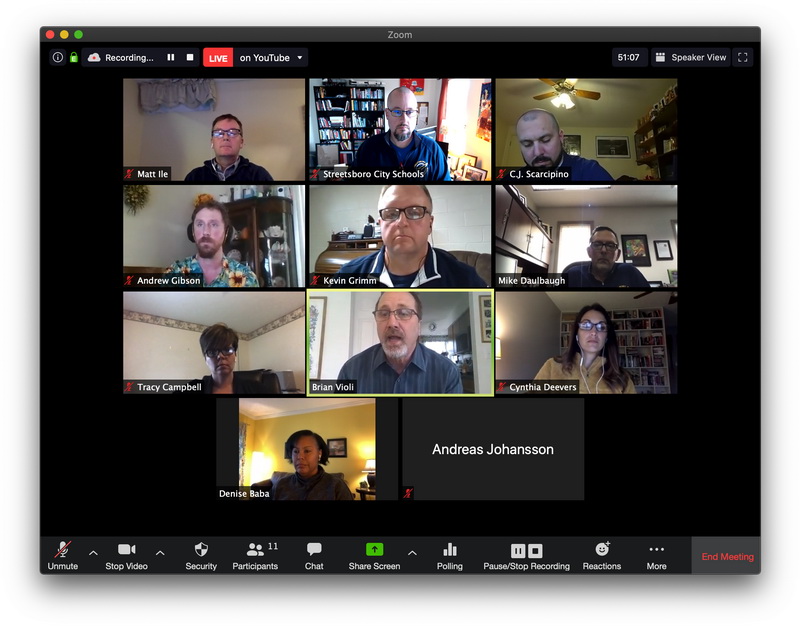
My first challenge was a 3-day Scrum Challenge, hosted live on YouTube.
It wasn't a polished, big-budget launch. I made mistakes, and some of them are in this course specifically so you don't repeat them. But it proved something worth knowing before you spend a weekend building your own: you need a clear promise, a clear structure, and a way to get the right people into the room. Nothing more complicated than that.
I've since run more of these using the same model. This one is where it started.
No complicated funnel required. No twelve-email launch sequence to write. Three days, one growing win, one offer at the end.
A mix of the audience I already had and direct personal outreach, not ads. If you're starting closer to zero, that's exactly why the personal-outreach piece of this course gets its own section: it's the part that matters most when you don't have much of a list yet.
Your challenge shouldn't try to teach everything you know in three days. It should give participants a real, meaningful win, small enough to deliver live, big enough that they can feel your product is what takes them further.
The challenge isn't there to replace your product. It's there to let people experience a real piece of the transformation your product provides. That's why the offer belongs on Day 3 and not Day 1: by then, people have proof you can help them, not just a promise.
What you'll do here is take what you already have and choose the right promise for it, map the three days, plan what you'll teach and what participants will do, and build the bridge into your offer.
Every day of the challenge follows the same four-part structure, so you're never staring at a blank page wondering what to say for the next hour.
gets participants ready to learn
makes the idea real, not abstract
the actual lesson, one thing, taught clearly
something they can use immediately, before the session ends
Skip any one of these and a session either falls flat or feels like a lecture. Once you know the structure, building Day 1, 2, and 3 is mostly filling in the blanks.
You build your plan as you go, not after you finish watching.
How to find out what your audience actually wants taught, before you write a single lesson.
Exactly how to set up the space you'll run the challenge in.
A shortlist of the tools you can use to build your challenge registration page, so you're not starting that search from scratch.
Why I built this, the money I left on the table the first time, which businesses this fits (and which should skip it).
A full breakdown of my first challenge, mistakes included; how to structure and promote your three days; how to fill the room with little or no social reach.
How to open each session so people stay, how to teach one thing well instead of five things badly, what tool they leave with each day.
What I actually earned the first time, how to close without the hard-pitch hangover, when a higher-ticket next step fits (covered as one lesson, not the focus of the course).
We build your 3-day layout together, live on the page. Then you schedule it.
No padding, no filler modules.
Free content can explain individual pieces: how to write a hook, how to run a Facebook group, how to structure a lesson. What it won't give you is the sequence. You don't need more information. You need the pieces arranged in the right order so you can actually build the event.
You could. It's what I did the first time, and it cost me sales and time I didn't need to lose. This course is the sequence I wish I'd had, built from actually running the event, not from theorizing about it.
If you're not willing to put three dates on a calendar, save your $25.
I'm Dejan Majkić. I ran my first challenge to a mix of my existing audience and people I reached out to directly, with no ad spend and no complicated funnel. It brought in $6,300 from 140 sign-ups, at a 28.6% buyer conversion rate, and I still made mistakes I could have avoided with a clearer plan going in. Those mistakes are the reason this course exists. I've run more challenges the same way since.
I've also spent over a decade building and marketing my own courses, so this sits inside a broader practice of building and selling digital products, not a one-off experiment.
Instant access. Follow the lessons, complete the homework, and put your challenge on the calendar.
Start building my first challenge — $25You don't have to finish the course to know whether it's useful. Watch the lessons, start building your challenge, and if you don't find it useful, email me within 30 days for a full refund.
Yes. This is built for people who already have something to sell, a course, coaching, a service, or a digital product. You'll use that product as the destination for the challenge. If you're still building your product, the framework still applies, but you'll get the most out of this once you know what you're ultimately offering.
My first challenge ran on a mix of what audience I had and direct personal outreach, not a big list and not ads. The course covers exactly how to fill a first room with personal outreach and direct invitations if you're starting closer to zero.
A few hours for the core lessons. The real work is writing your three days, doing the homework, and putting dates on a calendar.
You don't need to be a performer. You need a structure, one result per day, and a simple tool to hand over each time. That's what this course builds.
Pay, then you'll get an email with your login instructions on Thinkific. Check spam if it doesn't show up. If anything breaks, email support and it'll get sorted. One license per person; if a team needs it, each person gets their own copy.